Requirements for Importing Food Products
The Singapore food industry offers lucrative business opportunities for importers, as over 90% of the country’s food supply is imported. To import food, your business


Importing food products is a complex process that involves strict regulations, supply chain coordination, quality assurance, and market compliance.
While importing offers lucrative opportunities to expand product variety and meet growing consumer demand, it also presents common challenges in importing food products.
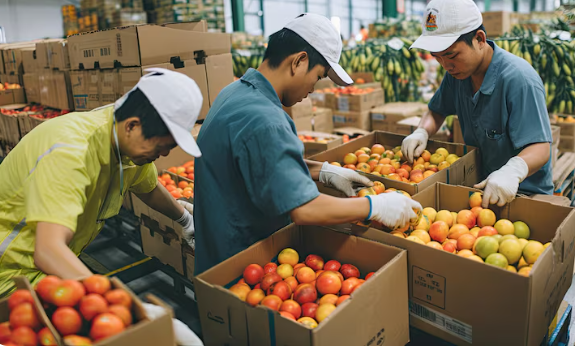
One of the biggest challenges food importers face is navigating regulatory frameworks. Food products are highly regulated because they directly affect public health and safety. Importers must ensure that products comply with food safety laws, ingredient restrictions, and hygiene standards.
Importers must also stay up to date with changing regulations, especially regarding food additives, preservatives, allergens, and packaging standards. Keeping track of updates involves continuous monitoring and coordination with suppliers and regulatory consultants.
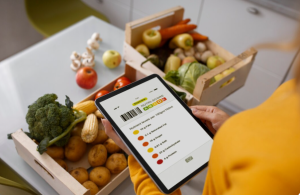
One of the common challenges in importing food products is labeling regulations. Imported products must include accurate information such as ingredient lists, allergen declarations, nutritional information, expiry dates, and storage instructions.
Food labels may need to be translated into English and formatted according to local requirements. Incorrect labeling can lead to rejected shipments or mandatory relabeling, which increases operational costs.
Global events such as shipping delays, port congestion, geopolitical tensions, and natural disasters can affect the timely arrival of food products. Since many businesses depend on imported ingredients and finished goods, even short delays can impact inventory levels as well as business operations.
Oftentimes, importers need diversified suppliers, contingency plans, and buffer stock to reduce dependency on a single source or route.
Food products are sensitive to temperature, humidity, and handling conditions during transportation. Maintaining product quality throughout the supply chain is a constant challenge, especially for frozen, chilled, or fresh products.
Any disruption in the supply chain can compromise food safety. Importers often invest in monitoring systems, temperature-controlled logistics, and reliable storage facilities to reduce risks.
Choosing reliable overseas suppliers is essential for successful food imports. Some importers face challenges with inconsistent product quality, delayed shipments, or poor compliance with food safety standards.
Differences in manufacturing practices across countries may lead to variations in product quality or ingredient composition. Importers need to conduct supplier audits, request laboratory testing, and verify certifications before establishing long-term partnerships.
Food contamination remains one of the common challenges in importing food products. Imported products may be exposed to contamination risks during production, packaging, storage, or transport.
To minimize the risks, importers must implement strict food safety management systems and ensure suppliers follow internationally recognized safety standards. Maintaining traceability throughout the supply chain is crucial for handling recalls effectively.
Global shipping costs have increased significantly in recent years due to fuel prices, supply chain disruptions, and limited freight capacity. Importers of food products are heavily affected because many products require specialized transportation and storage.
Air freight may be necessary for premium or highly perishable products, but it comes with higher costs. Sea freight is relatively more economical, but it may involve longer transit times. Consequently, importers must balance speed, cost, and product shelf life when selecting shipping methods.
Commonly required documents include import permits, invoices, packing lists, health certificates, certificates of origin, and product labels.
Delays are often caused by incomplete documentation, customs inspections, incorrect labeling, or non-compliance with food regulations.
Cold chain management ensures perishable products remain at safe temperatures during transportation and storage, reducing spoilage and contamination risks.
Importers can reduce risks by working with certified suppliers, conducting product testing, maintaining traceability systems, and following strict food safety standards.
Conclusion
Importing food products involves much more than transporting goods across borders. Businesses must be able to overcome common challenges in importing food products and be competitive in a fast-changing market.
Strong planning, reliable partnerships, and effective compliance systems are essential for minimizing risks and ensuring smooth operations. At Global Food Business Opportunity — Premium Ingredients & Chemicals Pte Ltd , we offer services that help manufacturers expand to Singapore.From market entry facilitation and regulatory advisory to supply chain solutions, we are ready to help your business expand. For inquiries, please contact us at Global Food Business Opportunity — Premium Ingredients & Chemicals Pte Ltd. Our office address at 1 Scotts Road #24-10 Shaw Centre S(228208).
The Singapore food industry offers lucrative business opportunities for importers, as over 90% of the country’s food supply is imported. To import food, your business

Food ingredient import and export is a structured process that ensures products move safely, legally, and efficiently across borders while meeting strict quality and safety