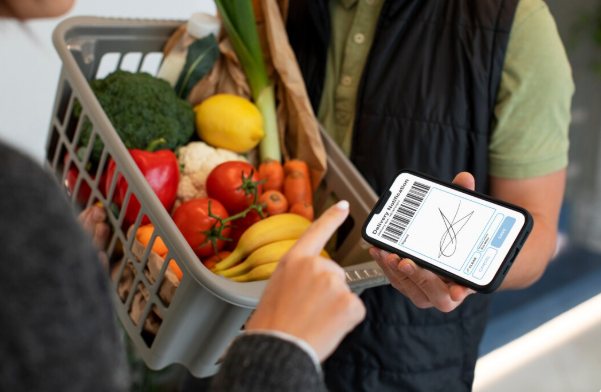
The Singapore food industry offers lucrative business opportunities for importers, as over 90% of the country’s food supply is imported. To import food, your business must comply with food safety laws, labeling rules, and inspection protocols.
In this post, we explain the requirements for importing food products. Understanding the requirements helps ensure the import process goes smoothly.
Requirements for Importing Food Products
1.Import License
Any company intending to import food must first register with the national food regulatory authority and obtain the appropriate import license. This ensures that only accountable and traceable entities participate in the food supply chain.
Importers are also required to maintain proper records of suppliers, shipments, and distribution channels.
2.Product Classification and Approval
One of the requirements for importing food products is product classification and approval. Food items are categorized based on risk level, such as fresh produce, meat, dairy, seafood, or processed foods.
Certain high-risk products, particularly meat and dairy, often require pre-approval from authorities and must originate from approved sources. Importers must verify that their suppliers are approved and meet safety standards.
3.Compliance with Food Safety Standards
All imported food products must meet strict safety regulations, including limits on contaminants, pesticide residues, additives, and microbiological hazards. Importers must provide health certificates, veterinary certificates (for animal-based products), and laboratory test results when required.
4.Labeling Requirements
Food labeling is a critical component of compliance. Labels must typically include:
Product name
Ingredients list (in descending order by weight)
Allergen information
Net weight or volume
Country of origin
Manufacturer or importer details
Expiry or best-before date
Labels must be in English and clearly legible. Misleading claims or omissions can result in penalties or product recalls.
5.Documentation and Customs Clearance
Documentation and customs clearance are also one of the requirements for importing food products. Each shipment must be accompanied by complete and accurate documentation. Accurate declarations are necessary for smooth customs clearance.
6.Inspection and Sampling
Food imports are subject to inspection at entry points. Authorities may conduct visual checks, take samples for testing, or verify documentation. High-risk products are more likely to undergo rigorous inspection. Importers must cooperate fully and ensure timely responses to any queries.
7.Storage and Handling Requirements
Once cleared, food products must be stored and handled according to safety standards. This includes maintaining proper temperature control for perishable goods and ensuring hygienic conditions in the warehouse and transport vehicles. Failure to maintain standards can lead to enforcement actions.
8.Traceability and Recall Systems
Traceability is mandatory. Importers must implement traceability systems to track products throughout the supply chain. In case of contamination or safety issues, products must be quickly recalled. Records must typically be retained for a specified period and made available upon request.
Having an effective recall plan is not only a regulatory requirement but also crucial for protecting consumers and maintaining brand reputation.
9.Restricted and Prohibited Items
Certain food products may be restricted or prohibited due to health risks, endangered species protection, or other regulatory concerns. Importers must check updated regulations regularly to ensure compliance and avoid costly mistakes.
FAQs Requirements for Importing Food Products
Do I need a license to import all types of food?
Yes, a valid importer license is required for all food products. Different categories may require specific permits.
Can I import food from any supplier?
No. Suppliers must meet approved safety standards, and some categories require pre-approved sources.
Are there restrictions on food additives?
Yes, only approved additives within specified limits are allowed.
How often are regulations updated?
Food safety regulations are periodically revised. Importers should regularly check official updates to remain compliant.
What language must labels be in?
Labels must be in English and include all required product information.
How long must records be kept?
Importers must retain traceability records for a defined period, typically several years.
Conclusion
By understanding and meeting the requirements for importing food products into Singapore, you can ensure smooth operations, protect consumer health, maintain product quality, and build long-term trust in a competitive and quality-driven food industry.
At Global Food – Premium Ingredients & Chemicals, we help food importers enter the Singapore market every step of the way. We don’t just offer market entry facilitation services. We also offer comprehensive supply chain solutions, customs & regulatory advisory, and facilities & infrastructure.
Importing food products is a complex process that involves strict regulations, supply chain coordination, quality assurance, and market compliance. While importing offers lucrative opportunities to
Food ingredient import and export is a structured process that ensures products move safely, legally, and efficiently across borders while meeting strict quality and safety