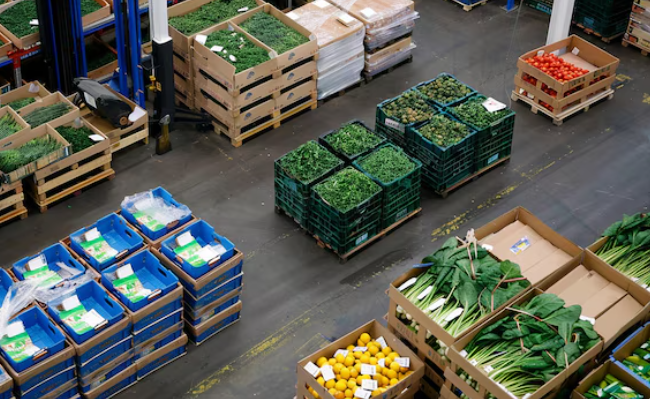
Food ingredient import and export is a structured process that ensures products move safely, legally, and efficiently across borders while meeting strict quality and safety standards. In Singapore, the process of importing and exporting food ingredients is streamlined but closely monitored.
While the process might sound complex, it follows a structured flow. Below, we explain how food ingredient import export works.
How Food Ingredient Import Export Works
Import
Importing food ingredients begins with supplier sourcing. Importers identify overseas producers that meet quality, safety, and pricing requirements. This often involves audits, certifications (such as HACCP or ISO), and product testing
How does food ingredient import export work? Next comes regulatory compliance. Food ingredients must meet strict safety and labeling standards set by local authorities. Importers must ensure:
Ingredients are approved for consumption
Additives and preservatives fall within the allowed limits
Proper documentation (health certificates, certificates of origin, etc.) is available
Before shipment, importers apply for import permits through digital trade systems. These permits specify product type, quantity, and origin.The logistic phase includes
Packaging that complies with food safety standards
Temperature control
Freight forwarding
Upon arrival, goods undergo inspection and clearance. Authorities may verify the accuracy of documentation, product labeling, and assess physical or contamination risks. If a shipment fails to meet standards, it may be rejected, destroyed, or returned. This step ensures food safety and protects customers.
Duties and taxes are another consideration. Many food ingredients enter duty-free under trade agreements, while some products may still incur goods and services tax or other charges. Accurate declaration of value, quality, and classification codes is essential to avoid delays or penalties.
If approved, the ingredients are released for distribution to manufacturers, restaurants, or retailers. Importers often store goods in certified warehouses before final delivery.
Export
How does food ingredient import export work? Exporting food ingredients follows a similar structure but in reverse. Exporters must ensure their goods meet the destination country’s import requirements.
This may involve adapting packaging, obtaining export permits, and working with certification bodies. Documentation such as invoices, packing lists, certification of origin, and health certificates is standard.
Digitalization has improved efficiency in recent years. Many processes, such as license applications, permit approvals, and declarations, are handled through online systems, reducing paperwork and speeding up clearance times.
However, compliance remains strict, and businesses must stay updated on changing regulations. The exporter coordinates shipping logistics, choosing appropriate modes of transportation and ensuring the cold chain (if needed) is maintained.
Before leaving the port, shipments go through the export clearance, where authorities verify compliance and documentation. Once shipped, importers in the destination country handle customs clearance and distribution.
FAQs How Food Ingredient Import Export Works
Are all food ingredients allowed to be imported?
No. Some ingredients are restricted or banned due to safety or health concerns. Always check approved lists before sourcing.
What documents are required for import/export?
Common documents include invoices, packing lists, import/export permits, health certificates, and certificates of origin.
How long does the import process take?
It depends on the shipping method and inspection requirements. Air freight may take days, while sea freight can take weeks.
Can small businesses participate in food import/export?
Yes, but they must comply with the same licensing, safety, and documentation requirements as larger companies.
Conclusion
Food ingredient trade enables consistent supply, variety, and price stability despite limited local production. Understanding how food ingredient import export works helps businesses manage risk, meet regulations, and deliver safe, reliable ingredients to consumers every day around the world.
Importing food products is a complex process that involves strict regulations, supply chain coordination, quality assurance, and market compliance. While importing offers lucrative opportunities to
The Singapore food industry offers lucrative business opportunities for importers, as over 90% of the country’s food supply is imported. To import food, your business